Less outrage, more conversation

After finding myself in a weird and wonderful online rabbit hole, I've reset how I navigate social media.
When I found myself scrolling through the list of items being auctioned from Twitter HQ (now known as X) last December, I knew I had a problem.
As I trawled through the list of coffee machines, pizza ovens, dough mixers and other assorted head office essentials, it dawned on that I'd strayed down a rabbit hole. My wonky reasoning had led me to believe I was in the front row of history and I just had to see the 3-D Twitter sign listing for myself.
This experience is hardly unique as being manipulated is built-im to the operating model of virtually all social platforms: suck people in, don't not let them go. I found myself in a cycle of scrolling and being diverted. Lots of info snacking but barely digesting anything. The algorithm had got it's claws into me, and wasn't letting go.
My feeling of being trapped is no surprise: it is designed in, and is constantly and secretly tuned. Shoshana Zuboff so eloquently describes the dynamic that companies use to capture and profit from what she calls behavioural surplus. In her ground breaking book The Age of Surveillance Capitalism, the artful design cleverly taps into the performative demands of our social lives. There is no (easy) exit.
In the six months since my epiphany, I have set about re-establishing more deliberate ways of being online. I am being both more selective and joining in more. Echoing Zuboff, my aim is to reignite my inner impulse toward autonomy. As I share below, this is an ever evolving practice rather than simple switch.
My first reaction to Twitter when I came across the platform at a workshop in 2008 was healthy skepticism. Master trainer Beth Kanter memorably described it as being like small talk over cocktails. The comms folk from other good causes were also scratching their heads about where it may fit it. (See the Take Me To The Social Web: Australia Workshop slidedeck).
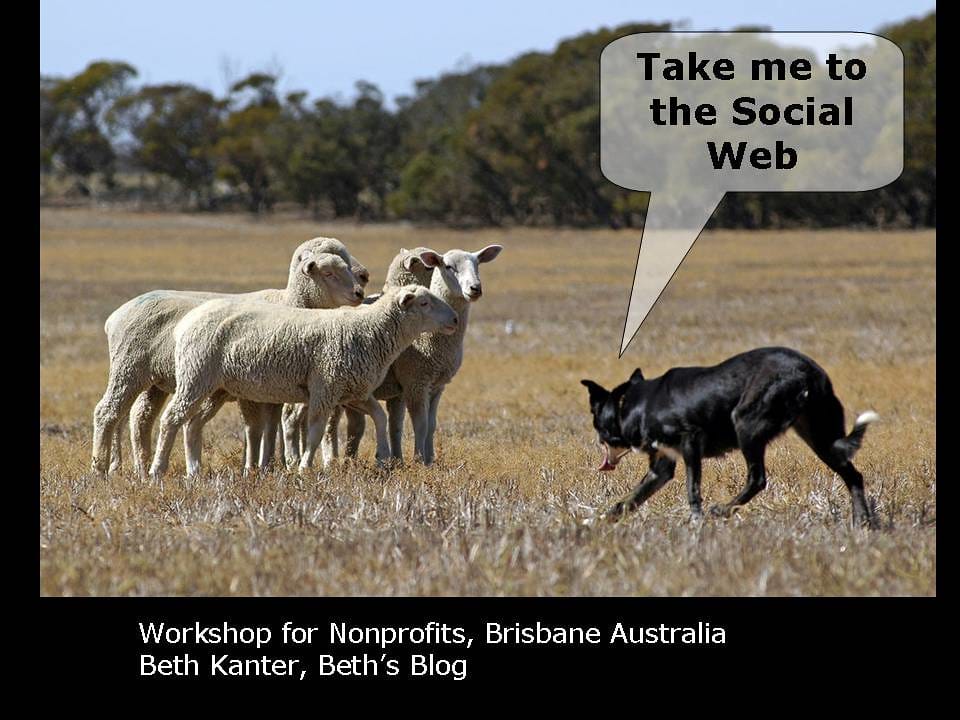
The wit at the core of Twitter became very apparent after I joined the NZ Drug Foundation in 2014. With a tweeting CEO unafraid to embrace the edginess that made Twitter something of a wild west in its teen years, I witnessed some of the platform's potential. We connected with journalists, engaged with influencers and tossed around odd bon mots. The very irreverence of the network suited our house style.
Since then I've become less amused with the social platform. As well as tiring of being sucked in by an algorithm, the vile hate speech and disregard for basic tenets of human rights, far outweighs any positives. Even so, my quest to be in the front row of history kept sucking me in.
I realised in January the way I was using social media wasn't working for me. I scrolled a lot but was doing little reading or connecting with others. At the time I scrawled down a note to "let social media serve me, not vice versa". I also noted I wanted to read more, use less social media and seek out community with like-minded souls.
It's now eight months on from this realisation and I'm going to share what my reset looks like. It’s a snapshot in time as I know things will continue to evolve.
My guide in sharing this is an amazing technology steward and online community practitioner Nancy White. She our personal technology configurations are a foundation for supporting others to use online tools effectively. Her approach has a strong appeal as I often find myself mediating between people with loads and little of tech know-how.
The configuration involves describing what tools are used, how they are used, and how these fill the range of needs as a whole. You can still take a look at her detailed 2009 blog post on how she approach this - it's a real blast from the past. (See Personal tech configuration as steward’s springboard).
This is where I've got to:
I've quit X and don't miss it. Even thought I've signed up to Mastodon, I'm not racing to find a replacement noisy, always-on outrage machine.
A big priority for me has been engaging in ideas more deeply. Rather than skimming the surface and striving to be up-to-date I am spending more time reading and thinking. This meant getting rid the Guardian newspaper app, which made me feel like I was up-to-date even if I merely skimmed over headlines and saved articles to read later.
Rather than daily or more frequent binges of the Guardian, I now read the weekly edition. Just like last century when I bought paper copies, I'm placing a lot of trust in the editors to do a good job of publishing the global news I most need to know about. Every Saturday I download the latest digital version on Libby, available to all Kāpiti library users via the fantastic public library.
Through Instapaper I collect and dip into articles I've been sent or found by chance or design. The account gives me access to read these gleanings anywhere via either tablet or mobile app.
To reduce the need to sort and filter incoming email news, I've ruthlessly culled subscriptions. My new policy is simple: if I haven't read any of the last two or three issues from someone, it's time to say goodbye.
I've also been rigorous in tidying the tangled garden of page likes on Facebook and YouTube subscriptions. Once again, my experience was not joyful as I scrolled, endlessly scrolled. There wasn't enough time in the day to sort incoming posts, let alone actually engage in anything. Now I don’t follow any pages and have only a few channels I follow. One day soon, I'll also take a scalpel to my podcast subscription list.
I'm finding my tolerance of social media is returning. I'm more curious and not so easily overwhelmed as I'm zeroing in on things that matter to me. Participating in conversations was something that had slipped away, but I am finding some satisfaction in joining the discussion.
The biggest discovery has got to be Substack. It's a platform where both writers and readers happily con-exist. I've resisted the temptation to sign-up to lots of ‘stacks’. The last thing I want is to again feel dread about opening an app as I face a mountain of posts to sort. So far, I'm enjoying my small, curated list of good reads but even more importantly the interactivity and sense of community. It's like the internet used to be - slower, less racy but where real connections are made.
I doubt this will be last time I reconfigure how I access and consume media, and participate online. I can already feel the siren call of YouTube beginning to take me off course once again. The clever algorithms are exploiting my fear of missing out. It's very easy for my guard to drop, only for an insidious algorithm to reassert itself.
Howard Rheingold, the networking pioneer who coined the term virtual community in the 1990s, sets out five inter-dependent literacies we need to get the most of the being online. These are: network smarts, crap detection, collaboration, participation, and attention.
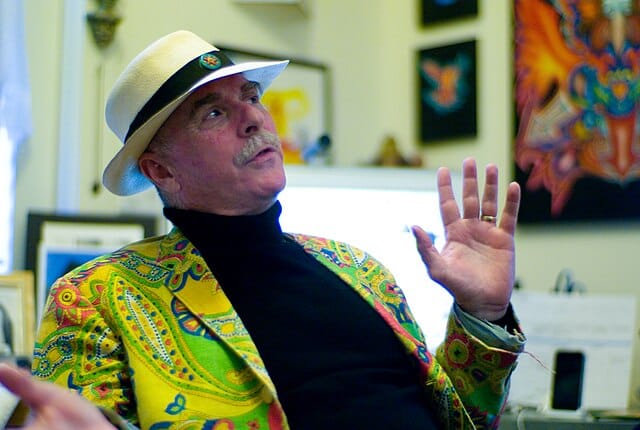
His 2012 book NetSmart - How to thrive online is as relevant today as it was when he wrote it. This comment about attention is something I aspire to live up to:
"Making informed decisions about where to deploy your attention beings with realising that no-one can take advantage of all the interesting opportunities the web presents us. Know that you have to say no, know what you are saying no to and why you are doing so."
I'm applying this thought process to any new network or news source I'm considering bringing into my life. At the same time, I'm conscious the unseen forces that dictate how the internet operates could again sweep me away. If I find myself up at all hours chasing an elusive piece of history, I'll know its time to once again pause and reconfigure.